
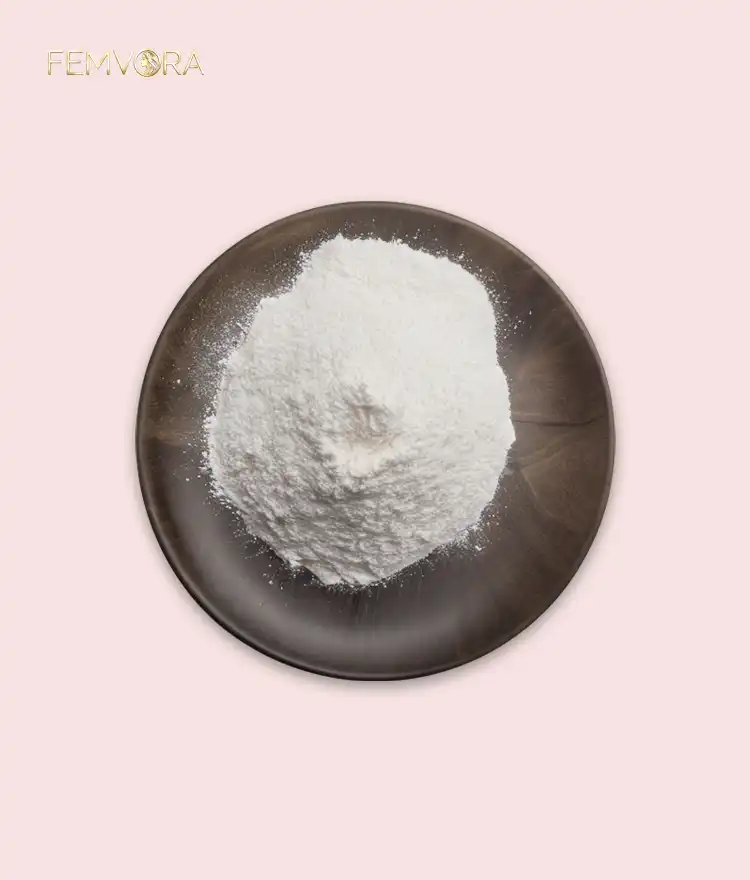
Algin Sodium Alginate Powder
2. Specification : Viscosity (Low, Medium, High) / Mesh Size (e.g., 80 mesh)
3. CAS : 9005-38-3
4. Appearance : White to Light Yellow Fibrous or Granular Powder
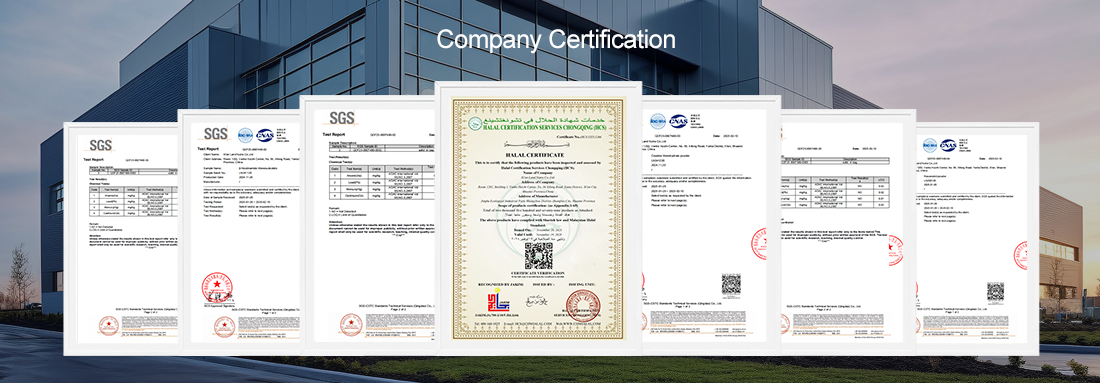
5. Certificate : ISO/Kosher/Halal, FDA/ISO9001/ISO 22000, or other certifications available upon request
6. Packing : 1kg/Al foil bag, 25kg/fiber or plastic drum.
7. MOQ : 1kg
8. Sample : Free Sample Available
9. Stock : In Stock
10. Delivery Time : Ready stock, Prompt shipment
Description
Algin Sodium Alginate Powder — Natural Hydrocolloid Ingredient for Food, Industrial & Biotech Applications
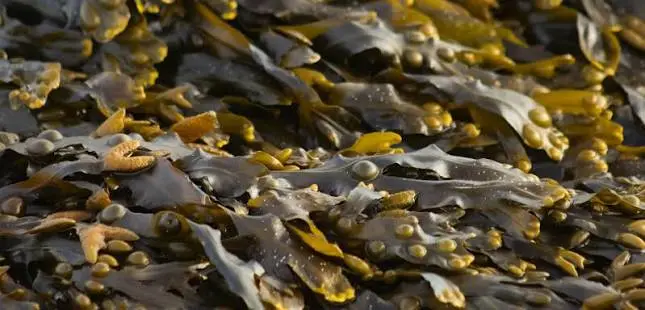
Brown seaweed (phaeophyceae) is the source of FEMVORA's algin sodium alginate powder (CAS 9005-38-3). It is available in ≥95% purity, in variable viscosity classes (low/medium/high) and particle sizes from 80 to 120 mesh. The usual molecular weight is in the range 10,000–600,000 with the molecular formula (C₆H₇NaO₆)ₙ. This ingredient is FDA GRAS, EU E401, USP, FCC, Kosher and Halal compliant and promotes food processing, textile, biotechnology, and industrial applications. MOQ starts from 1 kg and free samples are available.
Why Choose FEMVORA Sodium Alginate?
FEMVORA oversees every stage of the production process, from procuring the raw seaweed, to extraction, purification and packaging. This integrated methodology ensures you have consistent quality, reasonable price and reliable lead times without third party intermediaries.
Our product is purified to ≥98% purity by membrane separation with low-temperature recrystallization. Each batch is tested by HPLC, viscosity (Brookfield method), particle size screening and tested fully for heavy metals and microbiologically. Each order is shipped with individual COA, MSDS and TDS documentation.
3 viscosity categories are available: low (50-200 mPa.s), medium (200-500 mPa.s) and high (500-1000 mPa.s) allowing you to match the exact rheological performance your recipe requires. Custom particle sizes and viscosity ranges are also available.
Product Specifications
|
Product Name
|
Algin / Sodium Alginate Powder
|
||
|
Batch No.
|
LN260205
|
Quantity
|
100kg
|
|
Manufacture Date
|
Feb.5.2026
|
Expiry Date
|
Feb.5.2028
|
|
CAS No.
|
9005-38-3
|
Report Date
|
Feb.5.2026
|
|
ITEM
|
SPECIFICATION
|
RESULT
|
|
|
Appearance
|
White to pale yellowish-brown powder
|
Conforms
|
|
|
Odor
|
Characteristic
|
Conforms
|
|
|
Solubility
|
Freely soluble in water
|
Conforms
|
|
|
Assay
|
≥95%
|
96.5%
|
|
|
Loss on Drying
|
≤15.0%
|
13%
|
|
|
Identification
|
Conforms to standard
|
Conforms
|
|
|
Particle Size
|
100% pass 80 mesh
|
Conforms
|
|
|
Heavy metal
|
Pb
|
≤1 mg/kg
|
≤0.1mg/kg
|
|
|
As
|
≤1 mg/kg
|
≤0.1mg/kg
|
| Cd |
≤1 mg/kg
|
≤0.1mg/kg
|
|
|
|
Hg
|
≤1 mg/kg
|
≤0.1mg/kg
|
|
Total Aerobic Plate Count
|
≤5000 cfu/g
|
200 CFU/g
|
|
|
Yeast & Mold
|
≤ 100 CFU/g
|
< 10 CFU/g
|
|
|
E. coli
|
Negative
|
Negative
|
|
|
Salmonella
|
Negative
|
Negative
|
|
|
Staphylococcus aureus
|
Negative
|
Negative
|
|
|
CONCLUSION
|
Product Conforms to Specifications
|
||
Quality Certifications
FEMVORA's algin sodium alginate powder is manufactured under GMP conditions and is backed by the following certifications: ISO 9001, ISO 22000, FDA registration, Kosher and Halal. Other certifications can be supplied upon request for specific market requirements.
Each batch is analysed as per FCC, USP and JECFA criteria. G/M ratio analysis by NMR is available for sophisticated applications where prediction of gel strength is important. We have full traceability from raw material procurement to final despatch and assist customer audits.
Application Areas
Food & Beverage
Sodium Alginate is used as a thickening, stabiliser and emulsifier in ice cream, dairy products, jams, sauces, baked goods, noodles and fining of beer. Its solubility in cold water and ionic gelation with Ca2+ make it suitable for spherification and reformed food products.
Printing on Textiles
It is used as a thickener for reactive dyes, giving a strong colour yield and a sharp definition of the print without reacting with the cellulose fibres – this is a permanent benefit in complex electrolyte dyebath media.
Biotechnology & Encapsulation
This gentle ionic crosslinking process, in which Na+ on G units exchanges ions with divalent cations, enabling cell immobilisation, enzyme encapsulation, biofilm construction, and nanoparticle synthesis without the inactivation of delicate biological components.
Industrial Applications
Used in paper sizing, water treatment flocculation and oil-field drilling muds where its polyanionic behaviour and high aqueous viscosity ensure dependable performance under variable process circumstances.

Competitive Advantages
FEMVORA's sodium alginate stands out through several measurable differentiators that matter to B2B buyers:
- Defined purity ≥98% with CAS 9005-38-3 and full molecular profile documentation
- Three standard viscosity grades plus custom formulations to match your exact processing needs
- Cold-set, heat-irreversible gelation via Ca²⁺ crosslinking — suitable where synthetic thickeners fail under electrolyte stress
- 24-month shelf life with room-temperature stability, reducing inventory write-off risk
- Low MOQ of 1 kg with free samples (20 g–1 kg) for formulation trials
- Direct manufacturer pricing with annual contract options for supply stability
Logistics & Shipping
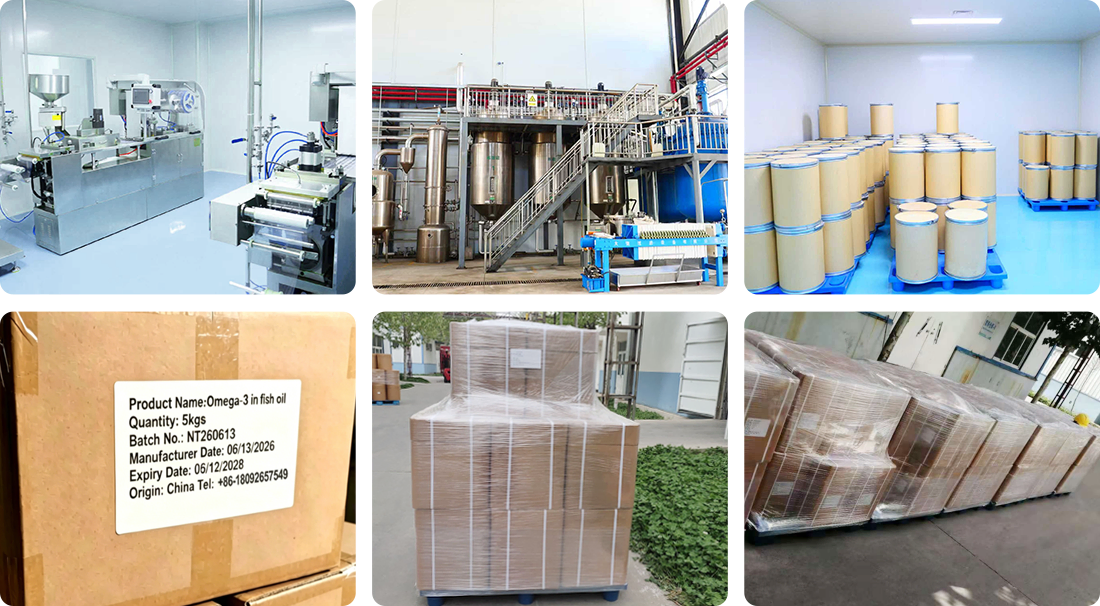
FEMVORA supports flexible international shipping for orders of all sizes. Small orders are shipped via DHL, FedEx, or UPS. Bulk orders are transported by air, sea, or rail under FOB, CIF, DDU, or DDP terms.
Moisture-proof and sealed packaging is standard for sodium alginate to protect against humidity-induced viscosity degradation during transit. The team provides customs documentation support for the EU, US, Southeast Asia, and Middle East markets to minimize clearance delays.
Packaging options include 1 kg aluminum foil bags and 25 kg fiber or plastic drums. Stock is available for prompt shipment.
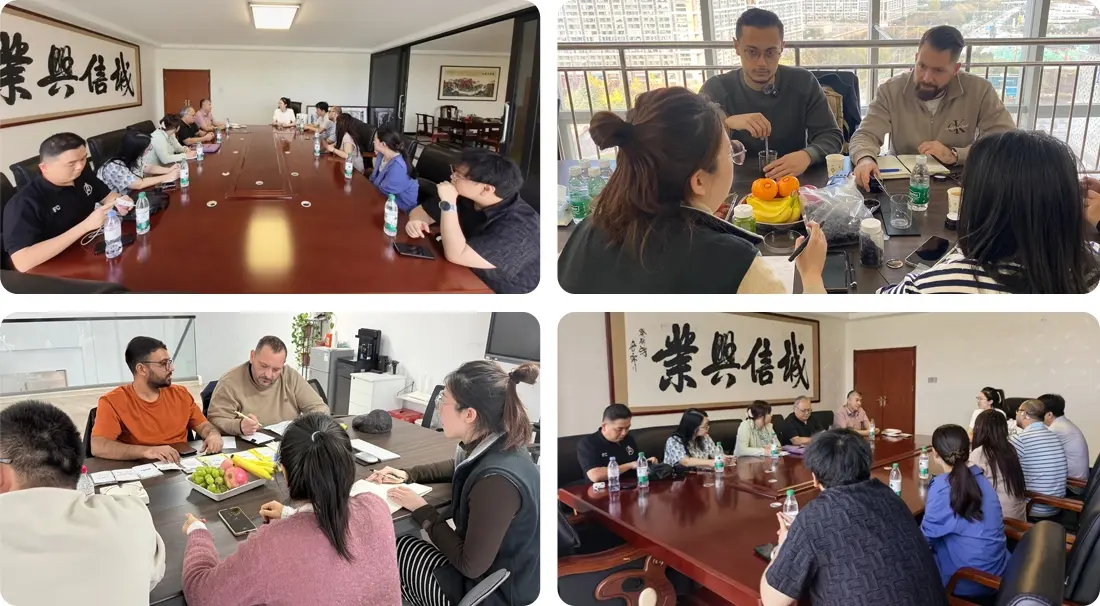
Trade Shows & Industry Events
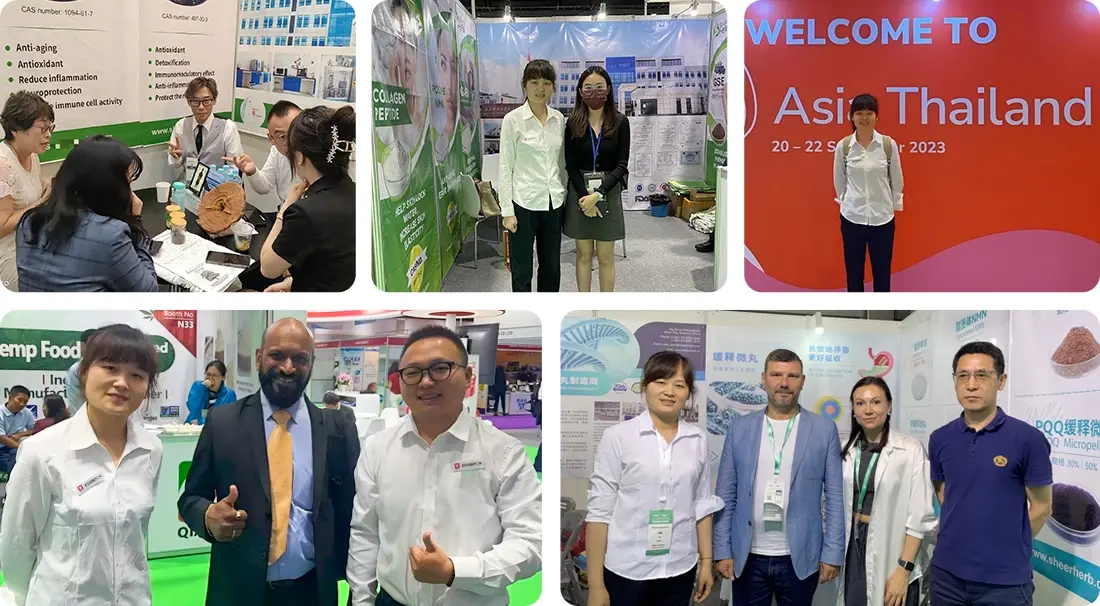
FEMVORA participates in major international ingredient and food technology exhibitions, connecting directly with food manufacturers, formulators, and procurement teams. Please contact us to schedule a meeting at upcoming events or arrange a factory visit.
FAQ
Q1: What makes sodium alginate form a gel?
A: It requires divalent cations like Ca²⁺. Na⁺ on the G-block units exchanges with Ca²⁺, forming a crosslinked "egg-box" network — heat-irreversible once set.
Q2: Which viscosity grade should I choose?
A: Low (<200 mPa·s) suits beverages and thin coatings; medium (200–500 mPa·s) suits sauces and meat; high (500–1000 mPa·s) suits ice cream, jam, and biotech encapsulation.
Q3: What key parameters should I check on the COA?
A: Assay ≥90.8%, viscosity grade, loss on drying ≤15%, pH 6.0–8.0, Pb ≤5 mg/kg, As ≤3 mg/kg, Hg ≤1 mg/kg, TPC ≤5000 cfu/g, Salmonella/E. coli negative.
Q4: Why does my solution clump during mixing?
A: Sodium alginate is highly hydrophilic. Pre-blend it with dry ingredients or use a high-shear mixer to disperse evenly before hydration.
Q5: How does temperature affect viscosity?
A: Solution viscosity decreases as temperature rises. However, once a chemical gel is formed with Ca²⁺, it remains stable and thermally irreversible.
Q6: What is the recommended storage condition?
A: Store in a cool, dry, well-ventilated location away from light and moisture. High humidity accelerates depolymerization and reduces viscosity over time.
Contact Us
Ready to source algin sodium alginate powder for your next project? Reach out to us at femvora@landnutra.com — free samples available.
Online Message
YOU MAY LIKE