
Nov 20, 2026
Where Is Saffron Stigma Powder Used in Food and Wellness?
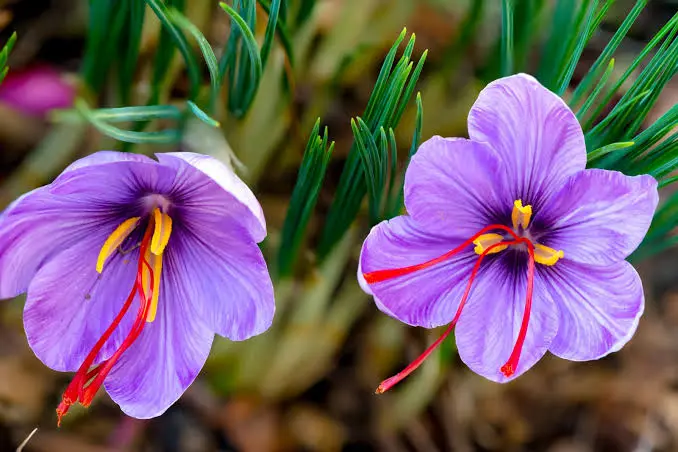
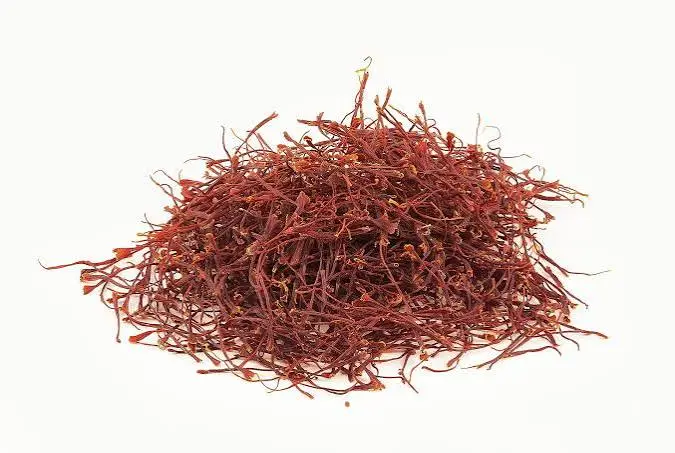
For generations, saffron has been treasured as a spice, natural colorant, and traditional health herb, and now it is showing up in a wide variety of contemporary items. For marketers producing women’s wellness lines, saffron stigma powder delivers a distinctive ingredient narrative, a natural golden hue, and a subtle scent that works across different forms. This article examines the use of saffron stigma powder in food, drinks, supplements, and beauty-driven goods, considerations for formulators in each scenario, and how Femvora assists B2B purchasers with specs, paperwork, and supply. The dispute remains on formulation and sources. The final product has to be reviewed for phrasing according to the guidelines of each target market.
How Is Saffron Stigma Powder Used in Food and Beverage Products?
Natural Color for Gummies, Confectionery and Drinks
One of the most practical reasons to use saffron stigma powder in meals is the color it provides. It’s the crocins that give it its golden yellow hue, and manufacturers seeking clearer labeling frequently choose it as a plant-based alternative to synthetic colors in candies and drinks. For women’s health gummies, appearance and label clarity are important factors in purchasing choices. A natural hue paired with a narrative about a premium ingredient might be alluring. Source material notes Good dispersion in cold water. Femvora's saffron stigma extract powder is an orange-red fine powder. Before locking into a formulation, formulators should validate color stability, pH sensitivity, and light exposure effects in their own matrix and confirm color-additive regulations in each target market.
Flavor Profile and Clear-Drink Compatibility
Saffron has a faint, distinctive sweet-woody scent; thus, the taste of saffron stigma powder requires minimal masking, making formulation easy. Low bitterness and suitable for capsules, pills, gummies, drinks, and oral liquids. A cold-water-dispersible powder is useful for ready-to-drink and powdered beverage ideas targeting women’s daily routines, and it may help prevent sedimentation in clear beverages. Each recipe should be evaluated for clarity and stability over shelf life. Brands may blend the substance with other popular health staples like vitamin C, magnesium, or collagen peptides, while maintaining a balanced taste. Pilot batches and sensory panels are still the best techniques to validate the performance of the powder in a particular base.
Premium Positioning in Functional Foods
Saffron’s “precious spice” reputation also allows functional food businesses to justify premium positioning without large amounts of ingredients. The saffron stigma powder is a concentrated extract, so a standardized serving uses a small amount of material, and the source data states a serving range of 15–30 mg for the standardized extract, a figure that should be confirmed with Femvora and checked against local regulations before it appears on any label. That efficiency means brands may make snack bars, powdered drink sachets, and seasonal limited editions for women’s health aisles. Femvora’s one-stop catalog also enables purchasers to acquire complementary botanicals and minerals from the same supplier, saving administrative costs.
Where Does Saffron Stigma Powder Fit in Women’s Wellness and Supplement Formats?
Capsules, Tablets and Stick Packs
Even now, saffron stigma powder has its most well-known place in supplements. Standardized extracts are best dosed precisely, and this may be done via capsules, tablets, or stick packs. A women’s health brand might include saffron in a daily lifestyle mix with B vitamins, magnesium, and botanicals. They may use authorized structure and function language and avoid sickness or treatment language. The usual factory spec for Femvora is 3% crocin and 1% safranal with CAS number 84604-17-1. The technical data is crocin ≥5% and safranal ≥0.2% by HPLC and 20:1 extract ratio. Since these numbers vary across source papers, for every project, it should be verified with Femvora which grade is to be published.
Internal-Beauty and Lifestyle Blends
The women's wellness industry has seen rapid growth for internal-beauty products, and businesses in the category tend to seek botanicals with visual appeal and a narrative that customers can relate to. That’s where saffron stigma powder comes in handy. Its natural hue may add to the visual appeal of powder blends, drink mixes, and gummies. It is often paired with substances like collagen peptides, vitamin C, or hyaluronic acid in supplement form, depending on local restrictions. The technical staff at Femvora can talk about compatibility, and their knowledge of liposomes and microencapsulation may be helpful when protection from oxidation or better handling is required. As usual, product claims need to be within the parameters of what is permitted and substantiated in each market.
Combination Formulas with Minerals and Probiotics
Many women’s health products are formulated as blends, and saffron stigma powder may be combined with other substances in one composition. Femvora has chelated minerals such as magnesium and zinc in glycinate form, probiotics, liposomes, and other botanicals, so a company may get a whole recipe from one partner rather than having to juggle many sources. This helps with batch uniformity, documentation, and pricing. Buyers expect pilot runs, as combination items will need compatibility and stability testing in the completed matrix, especially if you are combining a light-sensitive plant with minerals. With small trial runs and a MOQ starting at 1 kilogram, it is feasible for both start-ups and bigger companies to test.
What Should Buyers Check Before Using Saffron Stigma Powder in Products?
Authenticity and Quality Assurance
Saffron is one of the most adulterated botanicals in the world, and frequent adulterants include safflower, maize silk, and colored starch; therefore, authenticity tests are valuable for any saffron stigma powder use. It is claimed that Femvora’s source material is produced on a specialized manufacturing line, with microscopic scrutiny and DNA barcode testing, and an authenticity report provided with each shipment. The precise extent of testing for every batch should be validated with Femvora prior to being mentioned in marketing. Each batch is also independently COA’d and is traceable from raw-material procurement to delivery, supporting retailer audits and customer quality assessments.
Safety Limits and Certifications
Products for daily use have very strict limitations on contaminants. Saffron stigma powder standard stipulates total heavy metals at ≤10 ppm, lead at ≤2.0 ppm, arsenic at ≤2.0 ppm, mercury at ≤0.1 ppm, and cadmium at ≤1.0 ppm. Microbial limits are set at a total plate count < 1000 CFU/g, yeast and mold ≤ 100 CFU/g, and negative for E. coli and Salmonella, with pesticide residues in compliance with EU food safety requirements. Femvora is ISO, Kosher, and Halal certified, and can provide FDA-related, ISO 9001, and food-safety management documents or other credentials on demand. The scope of each certificate must be checked before publishing (the standard is specified as “ISO2200” in the source).
Storage, Logistics and Supplier Support
Quality is protected beyond manufacture via handling and delivery. Femvora supplies saffron stigma powder in 1-kilogram aluminum foil bags or 25 kg fiber or plastic drums. It suggests storing in a cool, dry, dark place away from bright light and high temperatures and offers a shelf life of 24 months. We provide door-to-door service for small orders by DHL, FedEx, or UPS, and air, sea, or rail service for big shipments under FOB, CIF, DDU, or DDP terms. The staff understands EU, US, Southeast Asian, and Middle Eastern food rules, pre-screens labels, and produces customs documentation. Annual contracts may provide price stability. Free samples from 20 g to 1 kilogram are available.
Conclusion
Saffron stigma powder works in candies, drinks, capsules, stick packs, and internal-beauty mixes, providing natural color, a mild flavor, and a premium narrative for women’s health companies. Success relies on confirmed specs, authenticity checks, and reliable supply. Femvora offers formulators a well-documented basis with integrated production, R&D assistance, variable MOQs and worldwide logistics, providing final label language is in compliance with each market’s standards.
FAQ
1. Where is saffron stigma powder commonly used?
It is used in capsules, tablets, gummies, beverages, oral liquids, and blends developed for women’s wellness and internal-beauty ranges. Suitability depends on each recipe and local regulations.
2. What is the specification of Femvora’s saffron stigma extract powder?
The standard factory specification is 3% crocin and 1% safranal, CAS number 84604-17-1, in an orange-red powder. Other values appear in the technical data, so the grade should be confirmed per project.
3. What are the MOQ and packaging options?
The MOQ is 1 kg. Packaging is 1 kg aluminum foil bags or 25 kg fiber or plastic drums. Free samples are available, and the product is in stock.
4. How should it be stored?
Keep it hermetically sealed in a cool, dry, dark area, away from strong light and high temperatures. Shelf life is 24 months.
5. Can it replace synthetic colors in my product?
Its natural golden-yellow color is of interest for cleaner-label formulations, but color performance and regulatory acceptance should be tested and confirmed for each product and market.
Ready to Develop with Saffron Stigma Powder?
If you are planning a women’s wellness food or supplement and want a dependable source of saffron stigma powder, Femvora is ready to help. Share your target market, dosage form, and quality requirements, and our team will prepare a free sample, send the latest COA and authentication information, and discuss custom specifications, OEM options, or annual supply contracts. We can also arrange a factory audit so your QA team sees the process firsthand. Email us at femvora@landnutra.com to request a quote and start your next formula with confidence.
References
1. Melnyk JP, Wang S, Marcone MF. Chemical and biological properties of the world’s most expensive spice: saffron. Food Research International. 2010;43(8):1981-1989. https://doi.org/10.1016/j.foodres.2010.07.033
2. Bathaie SZ, Mousavi SZ. New applications and mechanisms of action of saffron and its important ingredients. Critical Reviews in Food Science and Nutrition. 2010;50(8):761-786. https://doi.org/10.1080/10408390902773003
3. Srivastava R, Ahmed H, Dixit RK, Dharamveer, Saraf SA. Crocus sativus L.: a comprehensive review. Pharmacognosy Reviews. 2010;4(8):200-208. https://doi.org/10.4103/0973-7847.70919
4. Moshiri M, Vahabzadeh M, Hosseinzadeh H. Clinical applications of saffron (Crocus sativus) and its constituents: a review. Drug Research. 2015;65(6):287-295. https://doi.org/10.1055/s-0034-1375681
5. Agha-Hosseini M, Kashani L, Aleyaseen A, et al. Crocus sativus L. (saffron) in the treatment of premenstrual syndrome: a double-blind, randomised and placebo-controlled trial. BJOG. 2008;115(4):515-519. https://doi.org/10.1111/j.1471-0528.2007.01652.x
6. Hausenblas HA, Saha D, Dubyak PJ, Anton SD. Saffron (Crocus sativus L.) and major depressive disorder: a meta-analysis of randomized clinical trials. Journal of Integrative Medicine. 2013;11(6):377-383. https://doi.org/10.3736/jintegrmed2013056
Online Message